
The 7 Habits of Highly Effective People: Stephen R. Covey | A Book Review
Explore our in-depth book review of 'The 7 Habits of Highly Effective People' by Stephen R. Covey. Discover key insights and lessons that can transform your personal and professional life.
BOOK REVIEWSMONTHLY STATEMENTS
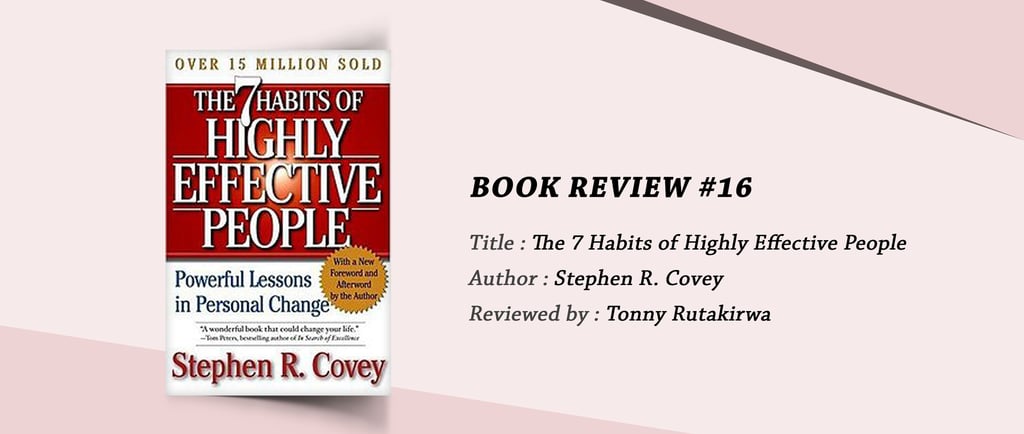
There are many fantastic books out there, and it is impossible to read them all within a single lifetime. However, one book that stands out amongst many is The 7 Habits of Highly Effective People, written by Stephen R. Covey. This book is not just a passing trend but a notable mention that continues to resonate with readers as a must-read for anyone striving for personal and professional improvement, making it a worthy addition to any reading list.
Upon its release, this excellent book sparked a significant wave of interest and discussions amongst its readers, igniting great inspiration that led many to suddenly realise that their lives were not heading in the right direction. The insights it offers can provide a roadmap toward personal transformation and effectiveness.
Furthermore, the readers importantly came to understand that there were numerous simple yet crucial things that they could be doing in their daily lives to navigate their existence toward a brighter future. It helped them determine what they have been doing incorrectly when it comes to happiness and productivity, and it teaches that diligent internal work and genuine efforts can lead to achieving lasting happiness and fulfillment.
After over 25 years since its initial publication, The 7 Habits Of Highly Effective People continues to remain amongst the most referenced and influential books in the genre of self-improvement. The book has been widely known and praised for its ability to help its readers enhance their relationships with colleagues, friends, and family members, effectively improving both personal and social relationships.
The lessons that Covey has been able to bestow upon his readers through this transformative book have proven to stand the test of time, remaining relevant regardless of changing social landscapes. The insights shared remain a solid foundation in interpersonal communication, offering guidance that is invaluable even in today's fast-paced world.
Overview of These Seven Habits
This enlightening book is fundamentally centered on the personal and professional habits that define individuals. These habits are instrumental as they constitute the characters of individuals and can significantly influence one’s journey toward success.
Every person has habits, whether they are good or bad, and these habitual patterns can dramatically impact our daily life. Most of the time, individuals may go unaware of these habits; sometimes, they are written off as insignificant or inconsequential. However, these habits may, in fact, be glaringly obvious to the people we interact with, and if proper care and attention are not practiced, they can act as deterrents, obstructing the pathways of connection with those around us.
Basically, Covey’s book focuses on the fundamental ways to build good habits and emphasizes the importance of not merely concentrating on eliminating bad habits. His insightful narrative conveys that many good habits do not come naturally, and they need to be learned and cultivated over time.
Learning new and beneficial habits will fundamentally change how the world perceives you. The habits this book will equip you with will aid you in taking control of your life, achieving a balanced work-life equilibrium, boosting overall productivity, and, most importantly, helping you become the happiest, most fulfilled version of yourself that you can possibly be.
The seven habits outlined in this illuminating book take us through three different stages, which are:
Dependence: This stage illustrates the criteria under which people are born and how they inherently depend on others who care for them and cater to their needs during their formative years.
Independence: In this phase, we explore the criteria that empower individuals to make decisions for themselves and take full responsibility for their own well-being and actions.
Interdependence: This stage covers the criteria that enable individuals to cooperate harmoniously with others, working together collaboratively to achieve shared goals and aspirations.
The habits that help individuals transition smoothly from dependence to independence are:
Being proactive: Individuals become significantly more effective when they make a conscious effort to act on the things they can influence rather than lamenting about the matters that lie beyond their control.
Beginning with the end in mind: It is essential for individuals to formulate clear and precise short and long-term goals based on their core principles and values.
Putting first things first: Individuals should strive to prioritize their tasks, ensuring that they focus on what is most important before attending to less critical matters.
The habits that assist individuals in moving from independence to interdependence include:
Thinking win-win: Always seek to discover scenarios that will result in a win-win outcome for everyone involved, ensuring mutual benefit and happiness.
Seeking first to understand, then to be understood: This principle emphasizes the importance of communication. Strive to grasp your counterpart’s perspective before attempting to articulate your own views.
Synergizing: This habit encourages individuals to recognize and value the input and contributions of others, appreciating that the collective effort of many is essential and worthy of acknowledgment.
The final habit plays a crucial role in fostering continuous improvement, which is:
Sharpening the saw: This restorative habit emphasizes the importance of investing in all aspects of one’s life, promoting a balanced work-life equilibrium and enabling sustainable personal growth.
To Wrap It Up
It is completely okay if you have been skeptical about the 7 habits of highly effective people, as many are. However, the habits presented in this insightful book are explained in a logical and coherent order. After immersing yourself in this illuminating book, you would realize that there is nothing magical or unattainable about these habits; rather, it is all rooted in rationality, with each habit meticulously supported by engaging anecdotes and stories from the author’s rich life experiences.
There are indeed a few things you can pursue in this life without regrets. Reading this transformative book undoubtedly happens to be one of them. This book will, at the very least, provide you with invaluable insights and help you navigate through life with a far greater sense of self-awareness and clarity. Therefore, this book comes with an emphatic recommendation for anyone aspiring to improve not only their lives but also the lives of those around them.