
A-Z of Security | Security Tips | Home Security
Discover the A-Z of security with essential home security tips to keep your property safe. Learn effective strategies and advice to enhance your security measures today.
MONTHLY STATEMENTS

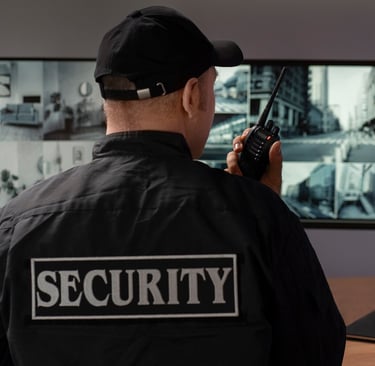
Security is an incredibly important aspect of human existence and safety in today's world. The more relaxed your level of security is, the more exposed you are to potential dangers that could threaten not only your personal safety but also the safety of your family and community.
Governments of different countries continuously seek to improve the safety of their citizens through a multitude of measures. They formulate various policies that are geared towards ensuring peace and security. Furthermore, governments invest significant resources to purchase different security hardware and software solutions aimed at ensuring that their countries are fully secured and safeguarded against any potential threats or attacks.
It is critical to note that security isn’t merely limited to the prevention of physical harm and danger. Organizations and institutions are now making concerted efforts to protect their databases and sensitive digital information against increasingly sophisticated cyberattacks, which can have devastating consequences. They are also investing several millions of dollars to effectively safeguard their cyber systems against malicious hacking attempts and data breaches.
Newer technologies and innovations are constantly being developed to foil any activity that might breach their cybersecurity fortifications. Organizations are now becoming acutely aware of the pressing need to secure their databases and digital infrastructures to reinforce their overall security posture.
What Does Security Mean?
Security, ultimately, can be explained in a variety of different ways and contexts. At its core, security involves freedom from impending danger or harm, encompassing not just physical safety, but also psychological safety and well-being. It also involves the vital concept of protection against various types of potential threats and harm. Those who benefit from security include individuals, institutions, objects, ecosystems, and society at large, highlighting the universal and integral nature of security in our lives.
Some people also refer to security as the lack or absence of danger and fear. It is also related to the availability and accessibility of goods and services necessary for survival. An example of this concept is food security, which ensures that all individuals have access to sufficient, safe, and nutritious food to maintain a healthy and active life.
The collection of systems, protocols, and activities whose major objective is to provide safety of lives and properties are also collectively referred to as security. Examples of such protective actions or systems include cybersecurity systems, security guards, law enforcement security forces, and more. Many activities go into the multifaceted provision of security, each playing a crucial role in maintaining a safe environment.
What Do You Need To Know About Security?
In this comprehensive article, we will be carefully restricting the discussion to the vital subject of cybersecurity. The importance of robust cybersecurity cannot be overemphasized in ensuring the safety and integrity of an organization’s cyberspace environment. We are currently in an era where instances of hacking and cyberattacks are astonishingly on the increase, putting many organizations at risk. Consequently, organizations are embracing newer technologies and innovative solutions to effectively counteract such destructive activities.
This part of the article seeks to provide a detailed overview of what goes into providing a standard and effective cybersecurity system. Below is the A-Z of establishing efficient and reliable cybersecurity measures to thwart potential threats and safeguard sensitive information.
Risk Management Regime
Before organizations implement cybersecurity measures, they must thoroughly understand the risks involved in their operations and the digital landscape they operate within. This understanding will be instrumental in prioritizing the biggest threats and vulnerabilities they face. In doing so, organizations can ensure that their responses to potential threats are effective as well as appropriate, effectively minimizing the risks of cyber threats.
Having a risk management regime in place is vital as it helps your organization to tweak and adjust your cybersecurity approach promptly when necessary. It will help you to swiftly identify when there’s a need to adopt or utilize another strategy or framework to address emerging challenges in the cybersecurity landscape.
Secure Configuration
Misconfigured controls are one of the popular and prevalent causes of a data breach in many organizations. Misconfigured controls can manifest in various forms, such as an improperly secured database, an uninstalled critical software update, among others. Ensuring proper configuration is necessary because it helps you in several ways. One is to take care of all known susceptibilities efficiently and in a prompt manner. Another advantage is to help eliminate unnecessary and potentially risky functionalities that could expose the organization to vulnerabilities.
Home And Mobile Working
Working remotely has become increasingly popular and well-accepted among many organizations. They view this modern approach to work as a way to drive up staff efficiency and overall productivity. However, working remotely comes with its own inherent risks and challenges that cannot be overlooked. The homes of staff often lack the comprehensive network and physical security measures that are typically available in their office environments.
What organizations need to do, therefore, is to restrict access to certain sensitive systems when employees are working from home. Additionally, there should be a formulation of well-defined policies that provide security for laptops, sensitive physical information, as well as removable devices that employees use for work purposes.
Incident Management
There will inevitably be occasions when your organization witnesses a breach in its cybersecurity defenses. To mitigate the potential damage, your organization must set up comprehensive policies that will assist in limiting the amount of harm done to the organization during such an incident. Furthermore, when a cyberattack occurs, your organization will need robust policies that will ensure it is up and running within the shortest possible period, enabling a swift recovery from the incident.
Prevention Of Malware
Malware can easily contaminate your organization’s systems when it gains unauthorized access. Malware can be delivered through several channels, with one common method being through an email attachment. Another way is via removable devices, through which the malware can be transferred directly into a system. Organizations should ensure they incorporate top-notch anti-malware software into their systems to fortify their defenses.
Implementing effective anti-malware software will help to significantly mitigate the risks posed by malware and other malicious threats. Additionally, policies that are specifically geared towards helping employees navigate potential cyber threats should be instituted company-wide. Such policies will aim to prevent employees from falling prey to various forms of malware and cyberattacks.
Managing User Privileges
Organizations can greatly assist their staff in accessing information that is relevant to their jobs and responsibilities. This can be achieved through the creation of effective access controls that are designed to protect sensitive information and data.
Managing user privileges effectively will help to prevent the inadvertent disclosure of sensitive information in situations of a cyberattack. These measures ensure that there’s a decreased likelihood of any employee pilfering sensitive information, thereby strengthening the organization’s security posture.
Monitoring
Continuous monitoring plays an essential role in helping your organization detect any form of a cyberattack on your systems. Moreover, active monitoring will assist you in responding quickly and efficiently to such attacks. Importantly, it will also provide valuable insights into how the cyberattack is conducted, enabling you to fortify your defenses.
Security Of Network
Certain susceptibilities are inherently present when you connect your network to the internet. Unfortunately, it is sometimes impossible to eliminate all such susceptibilities due to the complex nature of cyber threats.
That said, there are practical steps that can be implemented to limit the occurrences of such vulnerabilities. All your organization needs to do is to formulate clear and targeted policies aimed at effectively reducing the rate at which these susceptibilities can exploit your systems and take advantage of any weaknesses.
The Control Of Removable Media
One of the significant causes of breaches in cybersecurity is the frequent use of USB and other removable devices in organizational systems. Removable devices often trigger a myriad of insider incidents and can just as easily introduce malware into your organization’s systems if not properly managed and controlled.
It is of utmost importance for organizations to stress the safekeeping of their removable devices, ensuring that staff members keep them in secure places where unauthorized individuals cannot easily access them. In the absence of proper controls, employees should be reminded to carry such devices with them wherever they go to maintain security.
Wrapping It Up
In conclusion, promoting user awareness and comprehensive education among your staff is critical. Ensure they are adequately taught about the significant role they have to play in limiting the possibilities of a cybersecurity breach. Additionally, let them also be well-informed about the steps they should take in the face of a cyberattack to protect themselves and the organization's assets.
The education in cybersecurity awareness can come in several forms. Examples include the introduction of e-learning outlets and resources. Your organization can also provide valuable certification courses that are conducted in dedicated classrooms to enhance employees' knowledge and awareness about cybersecurity practices.