
Atlas Shrugged by Ayn Rand | A Book Review
Explore our in-depth book review of 'Atlas Shrugged' by Ayn Rand. Discover the themes, characters, and impact of this influential novel that challenges societal norms and individualism.
BOOK REVIEWSMONTHLY STATEMENTS
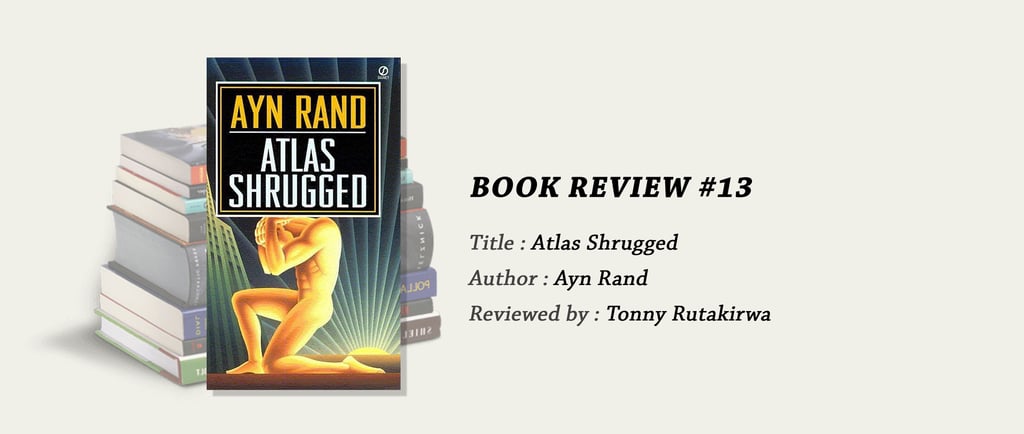
This is the sort of book that a lot of people will not like. This is because it will make you look at yourself and the way that you behave. For those people that don't like being lectured to, you may not find this book interesting or engaging, as it challenges beliefs and urges introspection. However, it also presents an opportunity for growth and self-discovery. Some readers may find this uncomfortable, as it pushes you out of your comfort zone, forcing you to confront rather than ignore your shortcomings.
If your behaviour can be described as a ‘looter’, then this book will teach you how not to make irrational decisions. In fact, it'll teach you how to think using your brain instead of your heart. This approach might also highlight the importance of rational thinking in decision-making processes, prompting a more calculated approach to everyday situations. That way, you can use your brain to come up with ways to make money instead of taking advantage of others or expecting to get rewards from those people that do all the thinking. It emphasizes thinking critically about economic choices and encourages actions that align with ethical considerations.
I would like to believe that when Ayn wrote this book, she had this ideal world in her mind. However, we know that this type of situation will never come to be because there are a lot of people out there who take advantage of others and, sort of – or point blank, exploit other people. This reality may create a sense of disillusionment for many readers, as it juxtaposes the idealism presented in the book with the sometimes harsh truth of human behavior. Readers may find themselves reflecting on the dynamics of society.
A word of caution, though, is that the book is quite wordy so you will need to dedicate a lot of time to it. The depth and breadth of the content require not just a casual skim but a careful reading to fully grasp its intricate themes. All the same, I feel that the points that Ayn makes in the book are quite valid and will help one person or two. She challenges readers to reconsider their values and priorities. All in all, Ayn teaches you to love your job no matter what you do, which can be quite liberating. Ideally, Ayn thinks that you should not work for money but instead, you should just love what you do, allowing passion to drive work rather than mere financial gain.
What's surprising about this book is that we can see the same push towards socialism today in the US as back in 1957. Just as in the book, if productive resources are taken over by bureaucrats, as well as non-productive people, it leads to a downfall. This is the same thing that we are seeing today and unfortunately, it doesn't seem like people have learned from what happened back then. This persistent theme might make readers question the cyclical nature of history and societal values. Unfortunately, we have all been raised to think that we all deserve to be successful, whether we have earned it or not, creating a culture that may lead to eventual discontent.
This will definitely be a great read for all those people who are trying to learn something about socialism and behavioural change. It provides not just a narrative but also serves as a cautionary tale regarding the implications of certain ideologies. Insights gained can be valuable for anyone looking to navigate the complexities of human behavior in socio-economic contexts and can stimulate thought-provoking discussions among diverse audiences.