
Understanding Brexit and the European Union | Brexit News
Explore the impact of Brexit on the European Union, tracing its origins from the UK's decision to leave in June 2016. Stay updated with the latest Brexit news and understand how this historic move affects trade and travel across Europe.
MONTHLY STATEMENTS
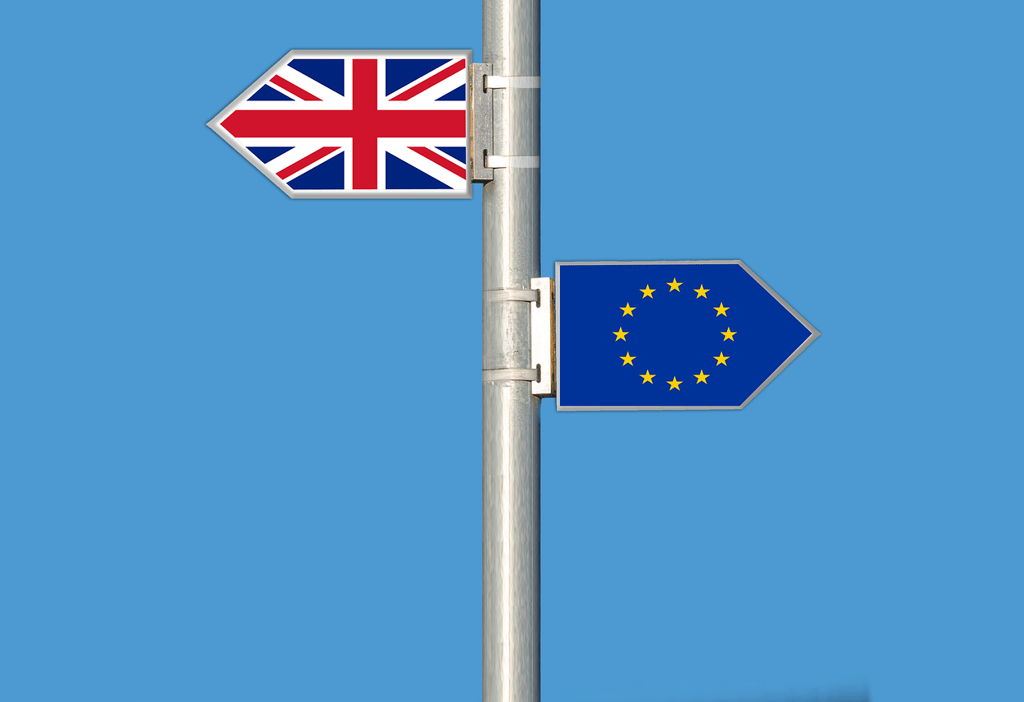
It all started in 2015 when David Cameron initiated his rather pessimistic political campaign strategy, fervently calling for a referendum to leave the EU under immense pressure from the Eurosceptic backbenchers and ridden with the fear of losing to the UKIP. This political climate was intense and deeply charged, as the looming possibility of leaving the EU put significant stress on many facets of the British society. Cameron's campaign was marked by a peculiar mix of hope and uncertainty that seemed to grip the nation.
However, Cameron was not only brimming with aspirations but was also quite pessimistic about the referendum plan, anticipating it to fail. In its apparent failure, voices like Ben Johnson and Nigel Farage were temporarily silenced. Cameron, despite his personal feelings, was very much the proponent of Britain staying firmly within the bloc. He even commenced what people eventually dubbed as the 'Project Fear', a campaign designed to alarm the British public with distressing narratives of the potentially disastrous consequences of Brexit. The atmosphere of distrust, distress, and dismal predictions culminated in Cameron stepping down from his position, setting off a ripple effect of political repercussions.
Then came the formidable Theresa May! Unfortunately, her relatively short tenure in power was overshadowed by the ongoing Brexit negotiations, which were fraught with challenges. May attempted to adopt a moderate approach to delivering Brexit, aiming for a compromise that could bring both sides together. However, despite her best intentions, she too failed to execute a coherent plan that all parties could agree upon, leading to a situation where her moderately designed treaty suffered a considerable defeat. The unprecedented resistance from within her own party rendered her efforts futile. According to reports from various US newspapers, “The Tory backbenches loathed it. The Democratic Unionists hated it. The opposition Labour Party opposed it.” This intense internal opposition further complicated the Brexit process and increased the uncertainty surrounding it.
Following May's departure in March 2019, Ben Johnson emerged with a bold promise to exit the EU by the 31st of October. With a strikingly aggressive ‘do or die’ approach, he attempted to force his agenda through by appointing more Brexiteers to his cabinet and limiting the power of MPs who opposed him. His ambition was clear, but he found himself stalled by the Supreme Court, which ruled against him for going against established legislation. As the deadline passed without a clear resolution, we were all left anxiously wondering how Brexit would ultimately play out for the UK and the wider world.
Brexit - The Debate
There are a plethora of speculations swirling around, yet nobody truly knows how Brexit will unfold, nor what the impact will be within the UK and across the globe. Critical areas such as trade, travel, investments, immigration, and security are all poised to be significantly impacted by this monumental shift in policy.
The debate between those favoring Brexit and those staunchly opposing it continues to play out in the background of our political environment, as we all collectively wonder about the ramifications and consequences that will inevitably follow. The stakes are high, and the atmosphere is thick with uncertainty.
Cost
Anti-Brexiteers argue: The UK enjoys the privileges of free trade and free travel under the EU framework; the impact and benefits of these arrangements should be meticulously counted in before we hastily calculate numbers that could reflect significant changes in our economy!
Brexiteers counter: In 2016, the UK paid an alarming amount above 13 billion pounds for the EU registration fee. That cost would be directly saved once we left, allowing for a reallocation of funds to other pressing areas of need within the country.
Trade
Anti-Brexiteers caution: The UK will undoubtedly lose the advantage of free trade and will find itself without much clout in determining the terms of future trade agreements, a detrimental position in the current global economy.
Brexiteers assert: We have the potential to define our own terms for trade. Brexit will be a boon for small and medium industries in the UK who have faced challenges and suffered due to the often restrictive EU trade rules over the years, enabling them to thrive independently.
Sovereignty
Anti-Brexiteers maintain: With the EU, the voice of the UK is amplified on the global stage. In the 21st century, leaving the EU could diminish our status as a significant global power. The presence of NATO, the UN, and the WTO still imposes constraints on British sovereignty; thus, Brexit could merely serve to reduce the influence that the UK possesses in international matters.
Brexiteers argue vigorously: The EU institutions just serve to channel power away from the British Parliament. Leaving the EU would mean greater power and more independence for the UK, allowing the British people to create and operate under their own rules, free from external impositions.
Immigration
Anti-Brexiteers suggest: The influx of people from Eastern and Western Europe has yielded positive outcomes so far, enriching our society and economy.
Brexiteers respond: The UK should reclaim its national sovereignty and gain more control over its borders. By allowing free entry, we risk losing control and are unable to screen everyone effectively.
Employment
Anti-Brexiteers warn: We risk losing the ‘brightest’ minds who migrate to the UK from around the globe. A decrease in competition could stifle skills development within the British workforce.
Brexiteers argue: With fewer immigrants, we create more jobs, reduce competition, and thereby improve wages for the native population. Interestingly, while investments appear to have declined since the referendum, the job rate in the UK has remained as robust as it was before.
Security
Anti-Brexiteers contend: The EU has significantly bolstered the security of the UK. It facilitates the sharing of criminal records across borders, which has a positive impact on countering terrorism effectively.
Brexiteers counter: Open borders have actually diminished our ability to conduct thorough checks and maintain control over potential intruders and terrorists. The UK can reclaim more control over its borders and enhance the security of the nation with more stringent rules.
Brexit - The Solution
At this crucial juncture, I genuinely don’t think there is a lingering question regarding whether to leave or remain in the EU. It appears that Brexit has been relentlessly dictating the political landscape of the UK for the last three years, overshadowing many other important issues.
The question, instead, revolves around:
Whether the UK should leave or remain in the EU?
The real pressing question now is:
How will the UK exit?
And most crucially:
When will the UK exit?
While we remain oblivious about the exact timing, let’s delve into the possibilities regarding how this might unfold... To be honest, the 'how' aspect appears to be filled with speculation at the moment, creating a climate of confusion.
There can be multiple scenarios: a No Deal, a Soft Brexit, or a Hard Brexit.
No Deal
Hard Brexit
Soft Brexit
Meaning
An emergency exit, cutting all ties with the EU, enabling the creation of our own rules.
Adhering to some of the EU's rules while still achieving a degree of independence.
Impact on Common Britain
The potential outcomes remain largely unknown.
Local businesses may flourish, leading to more job opportunities.
Conversely, a local business could suffer severely if the competitive market remains unchanged.
Impact on Global Companies
Again, the actual impact remains unknown.
We could witness increased expenses, tariffs, and taxes imposed on global companies, which could reshape their operational strategies.
Conversely, they might retain the same travel and trade advantages as they did under the EU single market.
Impact on Immigration
The ramifications are still shrouded in uncertainty.
It appears that not much will change, as there will likely be a settlement agreement in place.
While there will be no more free movement as existed before, there are unlikely to be significant issues for immigrants.
No hard borders will be required, although some minimal changes may still occur.
Interaction with the EU
Once again, the situation remains ambiguous.
We may cut ties with the EU single market, customs rules, and the court of justice.
However, we might still maintain connections with some EU institutions, revealing the complex nature of our future relationship.
Challenges
It seems we may face worst-case scenarios as the exit could be executed with no terms decided in advance, leading to chaos.
The likelihood of such a scenario seems to increase as the political factions within the UK currently appear entrenched in their positions and unwilling to reach an agreement on any matter.
Moreover, the EU may not fully agree with the terms proposed, leading to a stalemate.
There exists opposition from Labour parties and a minority of conservatives, further complicating the issue.
Additionally, there is growing opposition from various sectors that demand a complete exit.
Such divisions would likely create distrust and chaos among the populace, as people anxiously await the developments surrounding Brexit.
David Cameron conducted the referendum, but Theresa May was unable to deliver on Brexit. And now Boris Johnson's promise for October 2019 looms over us.
Brexit has undeniably overshadowed the political panorama of the UK, becoming a specter that influences nearly every decision and discussion. The world is closely observing every move by the UK government, awaiting the inevitable exit to transpire, and the unfolding narrative continues to capture global interest deeply.