
Events Management by Charles Bladen | A Book Review
Discover a comprehensive review of 'Events Management' by Charles Bladen. Explore key insights, themes, and practical applications from this essential guide for event professionals. A book review.
BOOK REVIEWSMONTHLY STATEMENTS

Textbooks serve as a fundamental guideline to a particular topic or field, providing insights and information that are critical in mastering that area of study. They tell you the necessary things you need to succeed and excel in that specific field. Not only do they inform, but also guide you steadily through the complexities and nuances associated with it. Additionally, they are carefully written in structured chapters that detail the essential things to know in various segments of the subject, ensuring that the learning process is coherent and systematic. Each chapter is designed to build on the previous one, deepening the understanding while covering a broad range of aspects relevant to the topic.
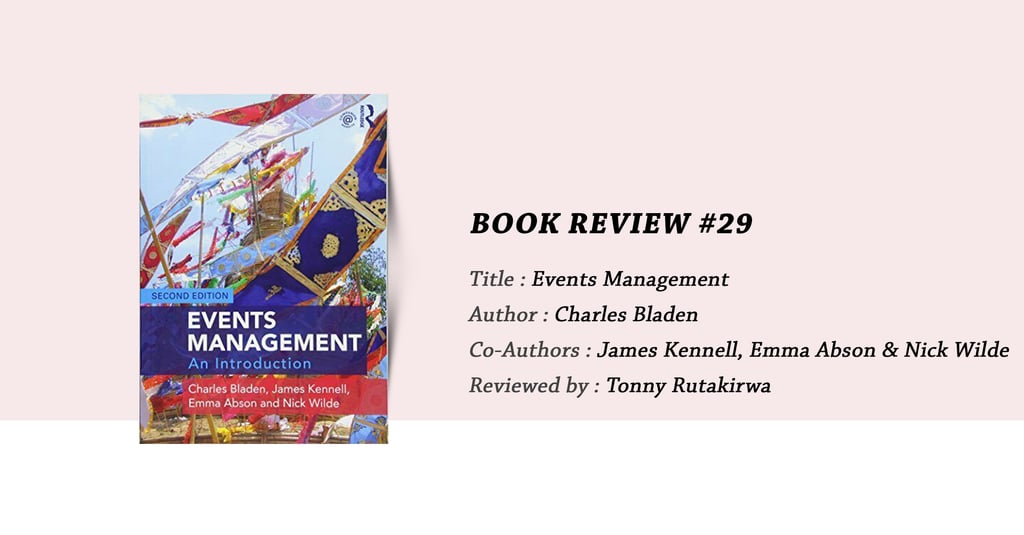
Charles Bladen, James Kennell, Emma Abson, and Nick Wilde all co-wrote a comprehensive textbook on event management titled “Events Management: An Introduction.” Event management is presented as a diverse yet challenging field that encompasses various skills and knowledge. The authors wrote this introductory textbook with a clear intention to explore the multidisciplinary nature of events management fully, providing readers with a rich understanding of both theoretical principles and practical applications within the industry. This foundational text serves as a crucial resource for students and practitioners alike, aiming to bridge the gap between academic knowledge and real-world implementation.
The book provides students with all the practical skills and professional knowledge they would need to be successful in the dynamic events industry. Notably, events management introduces the core and functional areas involved in planning and executing successful events. The varied areas of managing events, such as marketing, finance, project management, strategic planning, operations, and more, were discussed extensively in this book, offering valuable insights that are applicable in real-life scenarios.
Each functional area is meticulously discussed in a vast array of different event settings, ranging from high-profile sports events to social gatherings and corporate functions. Each topic is explained with vivid case studies, personal biographies of recognized professionals in the field, and detailed examples of the best practices from the real world of events management. This approach not only educates but also inspires readers, demonstrating the practical implications of the theories and the skills being taught.
Events management was written by a team of authors that are not only qualified professionals but also have spent many years of their lives acquiring valuable experience working in the events industry. Their collective insights create a comprehensive view into the workings and intricacies of event management. The book is an essential read if you are seeking to gain in-depth knowledge about the event industry and how to be successful in it. It equips you with the theoretical background and practical tools you need to navigate this vibrant and ever-evolving field.
The Book’s Make Up
Events management is a structured textbook on managing an event successfully. It consists of 15 well-thought-out chapters, with each chapter detailing a specific aspect of event management. This structured format makes it easy to follow and digest complex information. Here is the extensive breakdown of each chapter and what they entail, providing a clearer understanding of the subject matter.
Chapter 1
This chapter served as a comprehensive introduction into the world of event management, explaining what an event constitutes, the myriad challenges associated with events management, as well as the significant role that events have played in human history. Moreover, the chapter discusses the multifaceted role of an events manager, providing detailed insights about what it takes to thrive in the events industry and excel in various capacities.
Chapter 2
Chapter 2 focuses intensely on managing event projects, talking about conceptualizing events as projects, and unpacking the different perspectives of project management. Additionally, the chapter explains an event project in terms of its definition, organization, and underlying structure, setting a firm foundation for the practical application of these concepts.
Finally, this chapter equips one with the knowledge about everything it takes to navigate through a project lifecycle, starting from the planning stage through to evaluation, crashing, risk management, and identifying the factors that can lead to a project's shutdown.
Chapter 3
Events design and production are the core focus of this chapter, explaining the current views of event designs and emphasizing innovative thinking. The chapter teaches us to look at each event as designed experiences, with different concepts and themes that cater to diverse audiences and desired outcomes.
Chapter 4 and 5
These chapters delve into the operations of an event, addressing crucial topics such as the legal environment, necessary insurance, regulatory frameworks, licenses, and permits required for successful event execution. Additionally, they cover how to manage human resources effectively, emphasizing finding the right people to help organize the event and the unique challenges that can arise in this process.
Chapter 6 and 7
Event financing and event marketing are critical topics discussed in these chapters, where prospective events managers learn how to manage the finances of an event, particularly budgeting. Furthermore, the chapters provide insights into effective marketing strategies for promoting an upcoming event and securing the right sponsorships essential for success.
Chapter 8 and 9
Chapters 8 and 9 are intricately aimed at teaching about health and safety management, risk management, and risk assessment that are critical when managing an event. These chapters also explain what a sporting event is and how to cater to the specific needs that arise in hosting a successful sporting event, ensuring safety and satisfaction for all participants involved.
Chapters 10 to 13
These chapters provide detailed information about the various types of events found within the events industry, discussing their definitions, subtypes, and characteristics. Additionally, they explain the steps and strategies that will be necessary to cater to a range of significant events, including Mega-events, those in the public sector, corporate gatherings, and cultural events, outlining best practices that can lead to success.
Chapter 14 and 15
The last two chapters of this book cover the profound impact of events, detailing the strategies on how to sustain an event and the vital role that media plays in event management. The insights shared in these chapters are invaluable for understanding how to leverage media platforms to promote events and engage with audiences effectively, ensuring long-term success and recognition.
Wrapping It Up
Events management stands as a must-read for individuals that aspire to enter the business of event management. Furthermore, it is equally invaluable for those who are already in the business but require additional knowledge to enhance and improve upon their skills effectively. This book acts as a robust foundation for learners, pushing them to explore beyond the basics and delve into the intricacies of event planning.
Like most good textbooks, event management is well-researched and contains vital information that one requires to succeed in the competitive landscape of the events industry. It not only equips you with theoretical knowledge but also empowers you with practical tools, case studies, and expert advice, making it an indispensable resource for anyone serious about climbing the ladder to success in event management.