
The Importance of Food and Its Nutritional Value | Food and Health | Nutritional Value of Food
Explore the significance of different foods and their impact on health. Understand the nutritional value of food and how it contributes to overall well-being. Importance of food. Food and health.
MONTHLY STATEMENTS
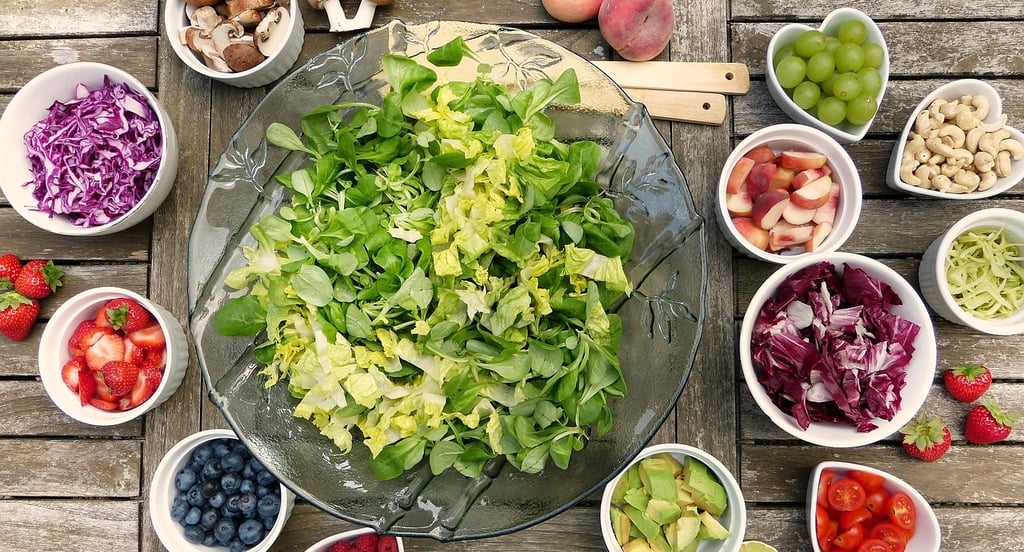

Food provides essential energy, numerous nutrients, and a sense of vitality for the human body. Also, for both humans and animals to thrive and survive, they require an adequate amount of food to sustain life and optimal health. Without food and proper nutrition, life cannot be sustained, leading to various health issues.
Additionally, there are a plethora of different sources of food available to us, including various plant sources and animal sources. To humans, food contains all the vitamins and minerals that are necessary for growth, repair, and ultimately, survival. Understanding where our food comes from can also enhance our appreciation of its importance in our daily lives.
Even more, Protein, which is crucial for building and repairing tissues within the body, as well as promoting overall growth, carbohydrates that provide the necessary strength for our daily activities, and fats and oils, etc., are all vital components found in the food we consume regularly. All these macronutrients are necessary for an individual to grow healthy, fit, and operate at their peak performance.
Moreover, when food substances undergo various industrial modifications, additional ingredients such as additives, emulsifiers, antioxidants, flavor enhancers, and preservatives are often added to the food during processing to improve shelf life, flavor, and appearance. These modifications can sometimes affect the nutritional value of food, which is why it is important to be informed about what we eat.
Different Food and Their Significance
The major classes of food that we frequently consume. Each of these classifications have separate and unique examples of food and describes how vital these foods are to the human body. They include;
Carbohydrates
This particular class contains food that provides energy in the form of calories for our bodies. Since approximately 65 percent of the energy our bodies need comes from carbohydrates, it is undeniably an essential class of foods. The brain, kidneys, central nervous system, and muscles heavily rely on carbohydrates to function optimally.
Foods that can provide carbohydrates include various items such as bread, wheat, potatoes, maize, rice, bananas, sugar cane, as well as an assortment of vegetables like nuts, beans, etc. The diversity of carbohydrate sources can cater to different dietary preferences and culinary traditions.
Proteins
Proteins are responsible for providing around 10-35 percent of the calories required by the human body for energy. It is important for growth and the improvement of the immune system, especially for children, teenagers, and pregnant women who require higher protein intake. Foods that are rich in protein include meat, chicken, eggs, breastmilk, groundnuts, lentils, cheese, and more.
Fats and Oils
Fats and oils are present in the body as concentrated sources of energy needed for various bodily functions, especially in young children who require higher energy levels for their active lifestyles. Also, they tend to enhance the flavor of food and make meals more satisfying. Examples of food items that provide essential fats and oils include milk products, avocados, butter, cheese, fish, and an array of cooking oils.
Water
A comprehensive study revealed that a 50kg human being contains approximately 31 liters of water, while a one-year-old, weighing around 10kg, may contain nearly 8 liters of water. Water is absolutely essential for the body's critical functions, as it aids in the formation of cells and bodily fluids like breastmilk, tears, and more. Furthermore, water is vital to the production of urine, cooling the body through perspiration, and facilitating digestion.
Fiber
Fiber is a unique category of nutrients, representing a combination of various carbohydrates that were not digested like other nutrients but moved through the digestive system intact. Foods that are high in fiber include healthy options such as carrots, cassava, cabbage, peas, avocados, among others. Fiber plays a crucial role in maintaining digestive health and preventing constipation.
Vitamins
These micronutrients are present in the body in small, yet significant amounts, and they are necessary for the body to function properly. Vitamins are often referred to as protective foods, as they support immune function and various metabolic processes. Vitamins encompass a range of types, including A, B, C, D, E, and K. Examples of food rich in essential vitamins include breastmilk, eggs, vegetables, whole grain cereals, and more.
Minerals
Minerals are crucial elements needed in the body for the repair and maintenance of tissues, bodily fluids, and the skeleton to function correctly. Essential minerals include iron, calcium, fluorine, zinc, selenium, and others that contribute significantly to our overall health and well-being.
Food as Medicine
Certain foods have been proven to help improve your health when consumed regularly. For example, berries are known to contain specific plant compounds that have anticarcinogenic properties and are effective against cancer. Additionally, there exist various cruciferous vegetables that contain antioxidants that promote longevity and protection against numerous heart conditions.
Other foods with significant medicinal value include mushrooms, herbs, fatty fish, spices, and many more that offer therapeutic benefits to the body.
Food for Immunity
A strong immune system is essential for combating diseases and puts the body in a better position to fight off infections and illnesses. Examples of these immunity-boosting foods include blueberries, which contain a type of flavonoid known to enhance immune function. There is also turmeric, which includes curcumin, aiding in improving the body’s immune response in times of need.
Some other noteworthy examples are oily fish, dark chocolate, broccoli, sweet potatoes, spinach, ginger, and many other items that provide nutritional support for a robust immune system.
The Power of Colostrum
When you begin to breastfeed your newborn baby, the very first food your breast produces is known as Colostrum. Colostrum is a thick, sticky, yellow fluid that plays a pivotal role in enhancing the baby’s immune system, forming a protective barrier within the baby’s stomach, aiding in the prevention of Jaundice, and mitigating low blood sugar levels in your infant.
Diets for Muscle Gain
It is entirely possible to gain muscles and maintain those you’ve developed with fewer workouts while adhering to a proper diet. Examples of foods that can help you develop strong muscles include lean beef, which contains important nutrients that support muscle growth, skinless chicken, which effectively aids in muscle repair, and cottage cheese, which comprises casein necessary for muscle maintenance.
Diets For Weight Loss
If you aim to lose weight through regular exercise, there are several food options that can aid in increasing your weight loss chances. These foods include leafy greens like spinach, kale, collards, and so on. Other beneficial items are salmon, chicken breast, boiled potatoes, tuna, beans, and various legumes that can fit well into any weight loss strategy.
The Ketogenic Diet
This particular type of diet methodically limits the concentration of carbohydrates to a mere 50 grams per day. Furthermore, they have shown effectiveness against various chronic conditions including diabetes, epilepsy, and supported weight loss efforts. Examples of such diets include seafood such as salmon, mackerel, and sardines, alongside low-carbohydrates vegetables like broccoli, cauliflower, and others. Additionally, other food sources such as meat, avocados, and cheese present excellent ketogenic options.
How to Know You Are Allergic To Certain Foods
Upon the consumption of specific foods, some individuals tend to experience allergic reactions that can range from mild symptoms to potentially serious responses. The most common signs and symptoms indicating a food allergy may include itching in the mouth, swelling of the lips, face, tongue, and other parts of the body, showcasing the body's sensitivity to certain food items.
Other symptoms that may occur include abdominal pain, diarrhea, wheezing, nasal congestion, vomiting, and in severe cases, anaphylaxis can arise, necessitating immediate medical attention.
Different Foods for Different Seasons
Vegetable varieties such as lettuce, broccoli, and others; meats like pork and beef, are available and fresh all year round. Foods you’ll find in the spring season include delicious options like strawberries, asparagus, peas, and others that evoke the season's freshness. Those you can enjoy in the summer include refreshing items like cucumbers, lemon, mangos, and several fruits that are best enjoyed during warm weather.
In Autumn, you'll discover wholesome foods like carrots, pumpkins, chestnuts, etc., while the winter months will usher in comforting foods like oysters, spinach, turnips, and others that warm the body during colder times.
Food for Male Fertility
Foods known to enhance and promote fertility and virility in men include rich options like oranges, dark chocolates, oysters, salmon, sardines, Brazil nuts, and of course, plenty of water. Additionally, dark and leafy vegetables can contribute positively to male reproductive health.
Foods for Female Fertility
Food choices that can assist with female fertility include nutritious dairy products like milk and cheese, as well as a variety of other healthful foods including lean animal protein sources, oysters, yams, berries, complex carbohydrates, fatty fish, beans, lentils, and much more.
To Wrap It Up
There are numerous healthy and delectably tasty foods available to us. Consuming a balanced diet is essential and includes ensuring that your plate contains a variety of food that comprises carbohydrates, proteins, fats and oils, a wide range of vegetables, fruits, and most importantly, remember to drink plenty of water to hydrate your body properly.