
The Monk Who Sold His Ferrari: Robin Sharma | A Book Review
Discover the profound insights and life lessons from 'The Monk Who Sold His Ferrari' by Robin Sharma in this comprehensive book review. Explore the themes of personal growth, success, and spirituality that make this book a must-read.
BOOK REVIEWSMONTHLY STATEMENTS
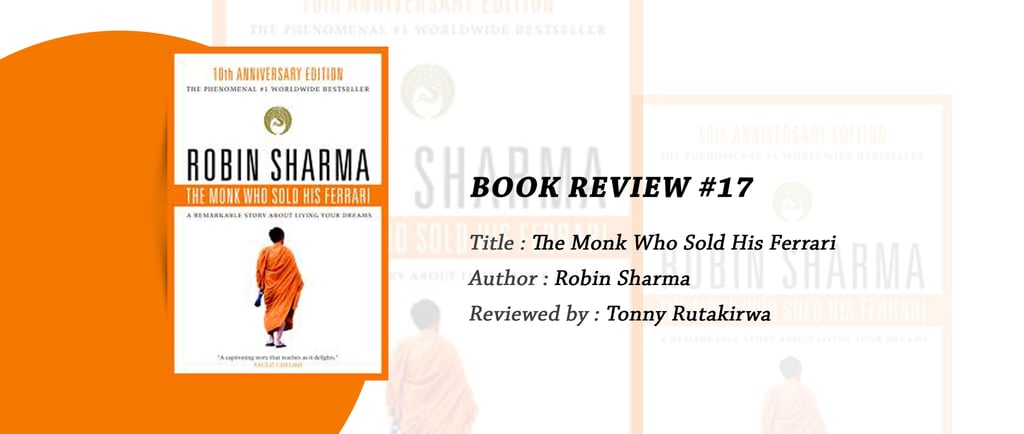
There are a lot of inspiring books in the world, but if one was to choose just one that would help them make significant changes in their life, it would most likely be “The Monk Who Sold His Ferrari,” which was written by Robin Sharma. It is undoubtedly one of the easiest and most impactful self-development books to digest. This book has a way of resonating with readers on several levels, making its messages both profound and relatable, touching upon various aspects of life that many find themselves grappling with, such as purpose, discipline, and the importance of living in the present moment.
Written from the first-person perspective, the narrative unfolds through the eyes of someone receiving sage advice from the monk who sold his Ferrari. The author cleverly constructs this narrative as the story of a lawyer who chooses to adopt a radically new lifestyle, which ultimately results in increased health, personal satisfaction, and lasting happiness.
As you immerse yourself in the pages of this book, chances are you will find yourself relating to certain aspects of the lawyer’s life, or that of the narrator, who happens to be another lawyer. This particular book has a unique ability to resonate with its readers, capturing their attention and hooking them in a manner that transcends the conventional storytelling found in many other books of this genre. Its captivating anecdotes and relatable lessons firmly anchor the reader’s curiosity.
The Monk Who Sold His Ferrari is a self-help book that effectively guides its readers to comprehend vital principles essential for leading a peaceful and successful life; it encompasses a series of teachings on transformative practices and philosophies that can revolutionize one’s outlook and approach to living.
This narrative cleverly illustrates the story of a lawyer named Julian Mantle, who, through his reckless lifestyle, has wrecked his life and found himself teetering on the brink of a heart attack. His harrowing experience of hitting rock bottom prompts him to make a life-altering decision to end his career in law and embark on a journey to the other side of the world in search of a fresh start, full of promise and potential.
Upon his return many years later, he recounts the tale of how this monumental transformation was sparked by his time spent living with monks in a remote mountain area in that region. In his inspiring story, he articulates the seven timeless virtues of how to live an enlightened life, which he gleaned from his experiences with the monks, subsequently sharing these invaluable lessons with his mentee at the law firm—a young professional who ironically finds himself headed down the same destructive path that compelled Julian to leave in the first place.
This captivating narrative is rooted in the concept of a master who imparts his wisdom onto his protégé regarding the concrete steps one can take to achieve enlightenment, which will inevitably cause its readers to pause and reflect on their own lives and where they may be headed. It contributes to the framework for a meaningful life, artfully detailing not only the ingredients necessary for a fulfilling existence but also providing guidance on how to combine these elements to concoct the happiness we all genuinely deserve and seek in our lives.
Seven Virtues of Enlightened Learning
Master your mind
Push away negative thoughts, accept only positive thoughts. Don’t dwell on the past or allow bad experiences to take hold of your spirit. Train your mind to focus solely on the present moment, being fully aware of your surroundings and thoughts.
Follow your purpose
Prioritize your life, focus mainly on the aspects that hold the highest priority in your life. It is crucial to find your life’s true purpose and set tangible, achievable goals to fulfill it. Having a clear purpose will serve as your guiding star through all your endeavors.
Practice Kaizen
Kaizen means continual improvement. Don’t allow yourself to become stagnant; always strive to improve upon your current self. Challenge yourself frequently, break your limitations, and confront the things that hold you back from reaching your full potential.
Live with discipline
Willpower is essential when forming new habits. An abundance of willpower will fortify your character and empower you to live a beautiful and fulfilling life, where each day is a step toward your ultimate success.
Respect your time
Time is one of the most precious commodities that cannot be renewed or replaced. Live each day as if it were your last, actively learning to manage your time effectively and completing all tasks to the best of your ability.
Selflessly serve others
Acts of kindness foster stronger connections and relationships with those around us. Helping to improve the lives of others elevates your own life in the process and creates a ripple effect of goodwill.
Embrace the present
Don’t delay or postpone things, live in the now; engage in the activities you love to do because tomorrow might just be too late. Don’t allow the past or the future to overshadow your present moment and steal your joy from today.
To Wrap It Up, the author has meticulously tried to impart essential lessons on how to live a beautiful and enlightened life. If you are a lover of motivational books or even if you skeptically approach the genre, this is a remarkable read that transcends mere entertainment and delivers genuine value.
This book receives a firm “buy recommendation” for anyone seeking refreshingly new routines or habits that can ultimately transform their lives and pave the way toward happiness. It is enjoyable and remarkably easy to read, offering insights that resonate deeply, encouraging self-exploration, growth, and mindfulness.