
All About Stem Cells | What are Stem Cells? | Types of Stem Cells | Benefits of Stem Cells
Discover what stem cells are, their various types, and the incredible benefits they offer in medicine and research. Learn how stem cells can revolutionize treatments and improve health outcomes. What are stem cells? Benefits of Stem Cells. Types of Stem Cells.
MONTHLY STATEMENTS
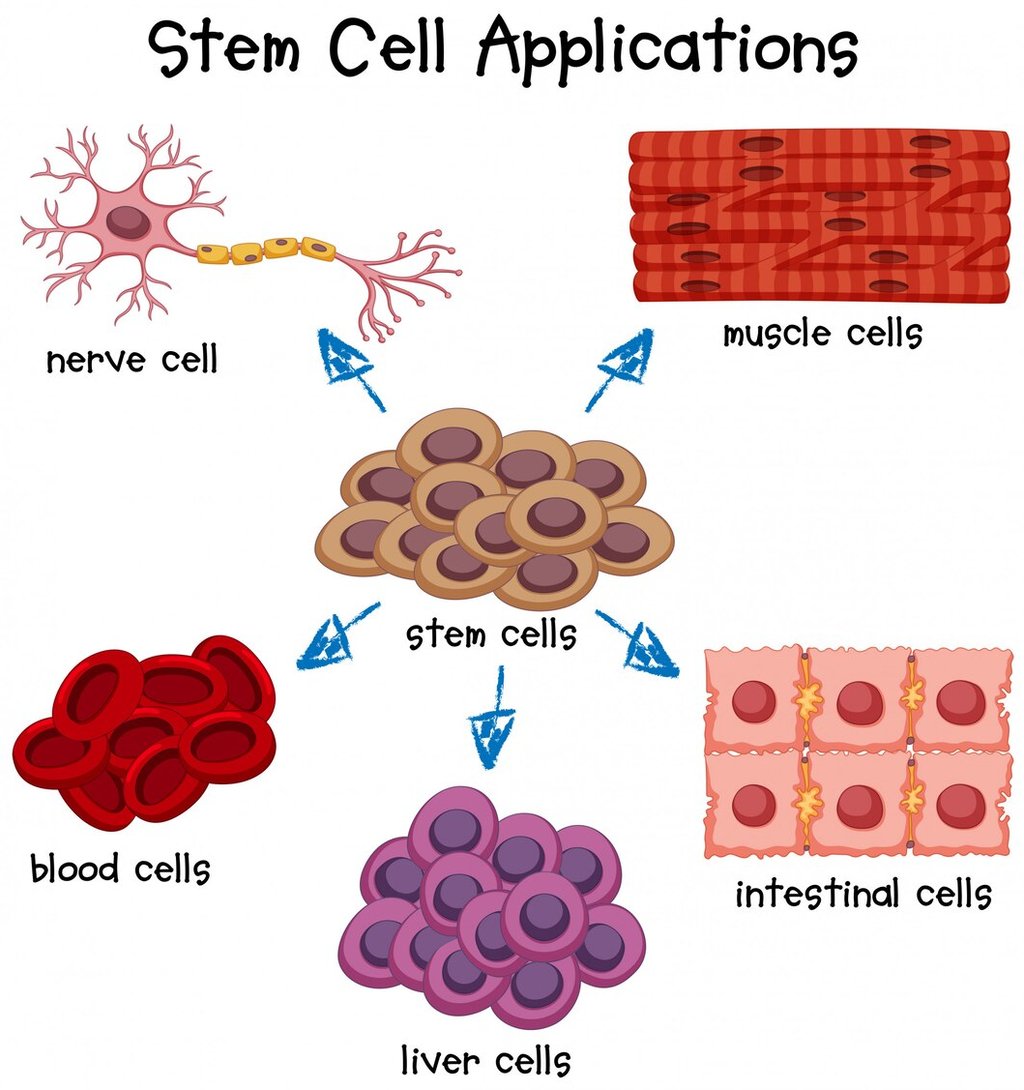
The human body is made up of millions of different cells distributed in all parts of the body, playing crucial roles in maintaining various functions. In the process of carrying out their daily activities, these cells get worn out and die subsequently, but before that happens, they usually give rise to new cells called daughter cells that continue the cycle of life in our systems. These daughter cells are essential for the replacement of aged or damaged cells, ensuring the body maintains its health and vitality.
The stem cells are simply cells that have the remarkable ability to generate new cells and can themselves be modified into any cell type. Look at them as the stem of a tree; just as a tree grows and produces branches that yield leaves, stem cells grow and differentiate into various cell types needed throughout the body. The only thing exclusive to stem cells is that they can be produced in various locations within the body and can ultimately develop into specialized cells such as muscle cells or even blood cells, adapting to the body's needs.
Type of Stem Cells
Stem cells can be categorized as pluripotent, meaning they have the potential to change into different cell types (you might call them shapeshifters if you wish) - or, conversely, they can remain in their original state, preserving their uniqueness while serving particular functions in the body.
However, this adaptability is only a characteristic of stem cells, not necessarily leading to the definition of their types. The various types are generally divided into two main categories:
Embryonic stem cells: These are newly generated cells obtained from the mammalian embryo. These cells are classified as pluripotent and, as such, are frequently utilized in stem cell therapy, which holds great promise for regenerative medicine.
Adult stem cells: The adult stem cells are those harvested from adult organisms and can be further categorized into two types. The first type is relatively few and is often found in specific tissues and body components. These adult stem cells cannot 'shapeshift,' leading their daughter cells to typically continue along the same lineage as the parent adult cell.
The second type is the induced pluripotent stem cell. These are essentially adult cells that have undergone laboratory modifications to become pluripotent, mimicking the versatility of embryonic stem cells, thus broadening the possibilities for stem cell applications in medicine.
Role of Stem Cells in the Body
As explained above, stem cells generate other cells that subsequently decide what functions they will fulfill in the body, contributing significantly to growth and repair processes. Other significant roles of the stem cells also include:
The production of new stem cells is a vital mechanism that slows down the natural aging process.
As the body actively eliminates infected cells, stem cells swiftly move in to replace them, ensuring health is maintained.
Furthermore, bone marrow is composed of numerous stem cells, and when there is evidence of anaemia, stem cells can be harvested from a donor to replenish the damaged bone marrow, serving as a lifesaving measure.
How to Boost Stem Cell Production
Although stem cells are produced internally, giving us little to no control over their production, recent studies suggest that their generation can be significantly enhanced by adhering to certain lifestyle regimens that promote overall health and wellness.
Regular exercise, such as aerobic activities, can stimulate cellular regeneration and increase the efficacy of stem cell activity.
A diet rich in nutrients especially focusing on whole anti-inflammatory foods helps in further supporting stem cell health and production.
Taking health supplements can also play a role; however, this requires a medical prescription/ evaluation and should always be approached with caution to avoid potential risks.
How to Prevent Degeneration of Stem Cells
An easy way to prevent the degeneration of stem cells is to maintain a healthy lifestyle that includes a balanced diet, consistent physical activity, and abstaining from exposure to unhealthy environments or harmful substances that may negatively impact cellular health.
Colostem
As we grow older, the production of stem cells in our system naturally diminishes to about 10%. While this shouldn't be a major concern, it is imperative to engage in activities that keep us active and fulfilled. If our stem cells cannot keep pace with our body's demands, it could lead to concerns regarding health and longevity.
Colostem is one of the supplements that have specialised formulations that have been meticulously developed to cater to the human body's needs as it approaches this crucial period of decline in stem cell production.
The benefits of colostem can be summarized into two main objectives;
They replenish the old, worn-out stem cells, prompting the body to rejuvenate and restore itself.
Additionally, they keep the body strong and in good shape, enhancing overall well-being and vitality.
These are the fundamental things you need to know about stem cells and colostem. In the future, as research advances, stem cells may be pivotal in treating various severe health conditions, including cardiovascular defects and other debilitating disorders that affect millions across the globe.